The memory of the place
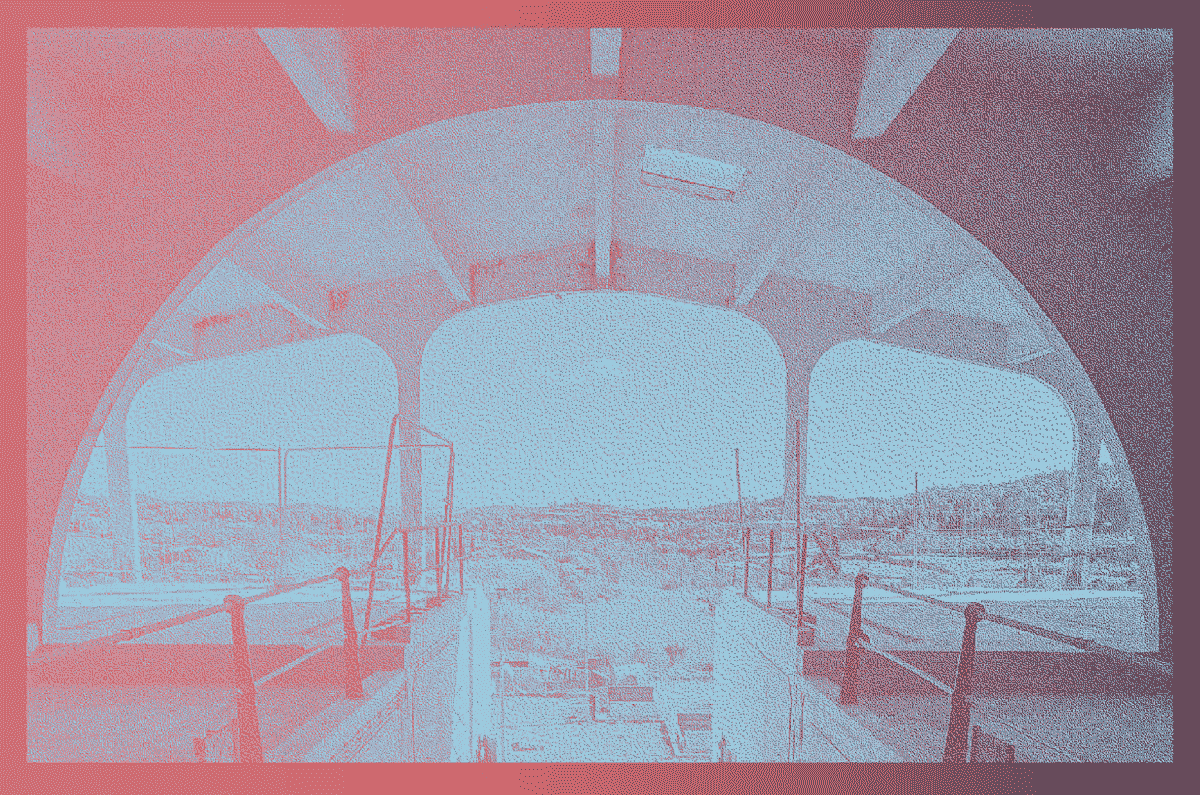
La Còla is part of the winemaking history of the Minervois and Languedoc regions—territories deeply shaped by viticulture since the 19th century. In the early 20th century, the wine crisis and the revolt of the Midi winegrowers spurred the rise of wine cooperatives, founded on solidarity and the pooling of production resources. More than 600 cooperative wineries were subsequently built across Languedoc-Roussillon, becoming true architectural and social symbols of the wine world. The Aigne cooperative winery was constructed between 1949 and 1951 by architect Paul Brès, at the initiative of 57 winegrowers. Expanded in 1966 by René Villeneuve, it retains several features characteristic of regionalist architecture.
As the wine market transformed from the 1970s onwards, the cooperative model gradually declined. Integrated into Alliance Minervois in the 2000s, the winery slowly wound down its operations before remaining vacant for nearly 15 years.
The architectural project
The conversion of the former Aigne wine cooperative is rooted in the revitalization of an iconic building. The project was shaped by minimal interventions that respect the site’s history and heritage. The complex retains a raw aesthetic—true to the building’s original identity—while providing a fitting setting for artistic creation and presentation. Inside, the architecture is spectacular. The space has been reimagined to house exhibition areas in the main hall, educational workshops within the fermentation tanks, artist residencies in the former offices, and a top-floor exhibition room that opens fully onto the surrounding landscape.